
Cannabis in Thailand: Laws, Lifestyle and What It Means for Property Buyers
Thailand has become one of the most talked-about countries in Asia when it comes to cannabis. Over the last few years, the country has moved away from strict prohibition and introduced a more open approach, turning cannabis into a visible part of modern urban life.
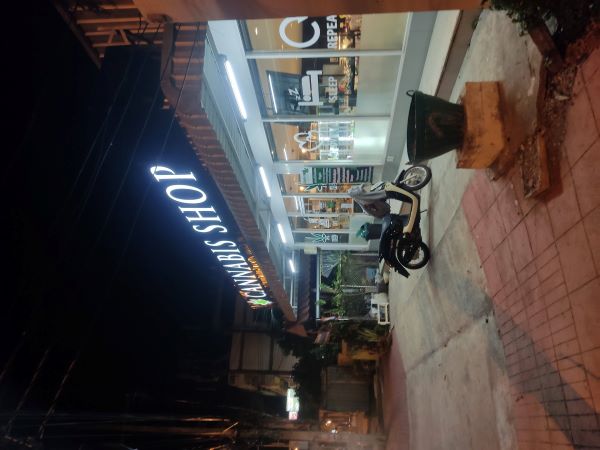
Today, cannabis shops can be found in many parts of Thailand, from Bangkok to popular coastal destinations such as Hua Hin and Phuket. For tourists, expats and long-term residents, this change adds a new layer to the Thai lifestyle and makes the country stand out from many of its regional neighbors.
For anyone planning to live in Thailand or invest in property here, understanding this shift is increasingly relevant.
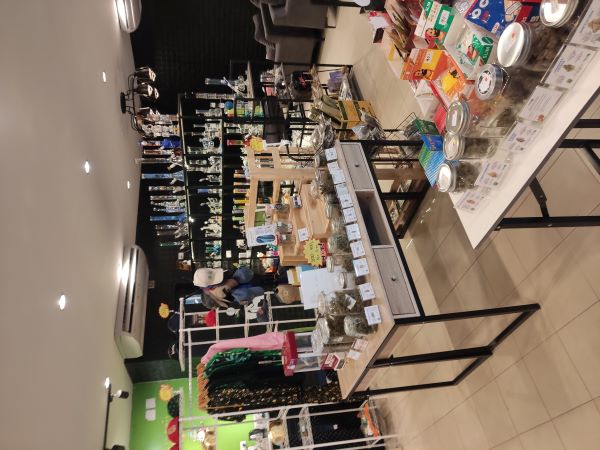
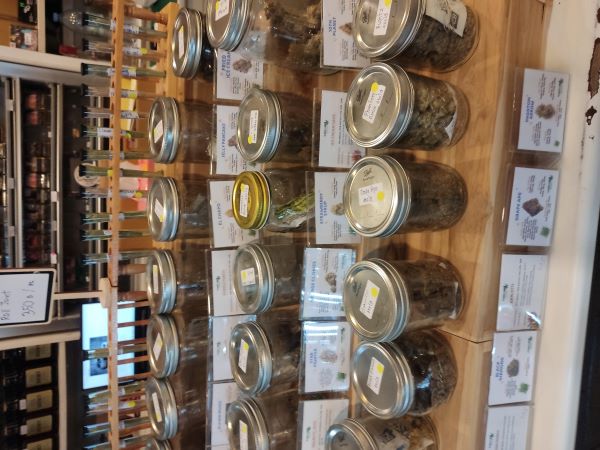
Modern cannabis shops in Thailand are usually clean, bright and professionally organized. Products are commonly displayed in glass jars and clearly labeled with strain names, characteristics and prices. In many cases, the retail experience feels more like entering a boutique than a traditional shop.
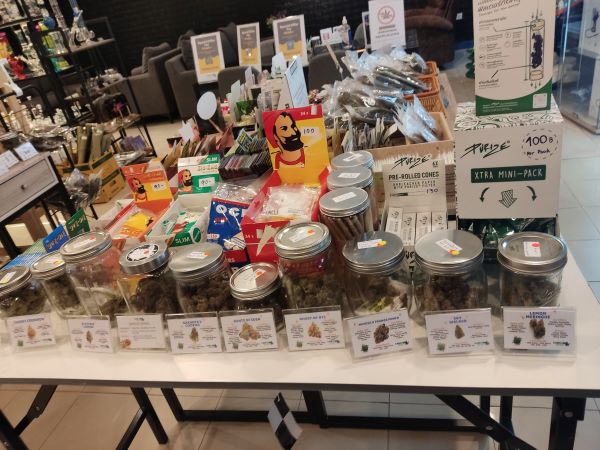
Customers can often choose between flowers, pre-rolled products and smoking accessories, while shop staff explain differences in aroma, strength and effect. This presentation reflects the way cannabis has quickly become part of Thailand’s modern consumer landscape.
The result is a market that feels accessible to curious newcomers while still appealing to experienced users.
Cannabis Laws and Everyday Practicalities
Even with a more relaxed approach, cannabis in Thailand is not completely unrestricted. Public consumption remains problematic, and smoking in public can still lead to complaints or penalties. In practical terms, cannabis is better treated as something for private use, with respect for the people and properties around you.
This is especially important for tenants, condo owners and landlords. Many residential buildings have their own house rules, and some landlords may not want smoking inside their units. As with noise, pets or short-term rentals, local rules and common-sense behavior matter.
Anyone renting or buying property in Thailand should always consider the atmosphere of the building, the expectations of neighbors and the policies of the development.
Cannabis, Lifestyle Trends and Property Demand
The rise of cannabis shops is part of a broader lifestyle trend. Thailand continues to attract remote workers, retirees, entrepreneurs and international buyers looking for warm weather, lower living costs and a more relaxed pace of life. Cannabis is not the main reason people move, but it contributes to the image of Thailand as an open and evolving destination.
This can indirectly support demand in areas already popular with foreign residents and visitors. Places such as Hua Hin, for example, combine beaches, modern conveniences, international communities and a calmer environment than Bangkok or Phuket. That mix can appeal to buyers looking for both lifestyle value and long-term real estate potential.
For investors, it is useful to see cannabis not as an isolated topic, but as one small part of a larger cultural and economic shift.
Cannabis as Part of Modern Life in Thailand
For many people, the appeal of Thailand is not based on one single factor. It comes from the overall lifestyle: climate, food, affordability, convenience and freedom of choice. Cannabis has now become part of that wider picture, especially in destinations that already appeal to international residents.
As regulations continue to evolve, the most sensible approach is to stay informed and act responsibly. For buyers, sellers, landlords and renters, the key point is not just legality, but how local lifestyle trends influence the attractiveness of different neighborhoods and property types.
That is why understanding cannabis in Thailand can also help you better understand today’s property market.
Finding the Right Property in Thailand
At Snaphome.asia, we focus on helping people find the right property in Thailand based on lifestyle, budget and location. Whether you are looking for a condo near the beach, a long-term rental, or a property investment in a growing area, understanding the local environment can help you make a better decision.
If you are exploring opportunities in Thailand, it makes sense to look beyond the property itself and consider the wider lifestyle that each area offers.